Are you superstitious?
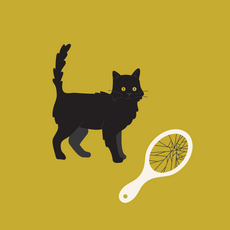
Get your students talking about superstitions as they explore this topic by answering questions and participating in group discussions. The language in this poll is suitable for intermediate to advanced English learners. A comprehensive lesson on this topic is available in our Discussion Starters section and can be used before or after this poll if your students are interested.
Preview
1. Do you believe in superstitions?
- Yes
- No
Keywords
Do you know these words?
- superstitious
- Halloween
- belief
- omen
- luck
Agree or Disagree?
2. Superstitions can influence people's behavior and decisions.
- Agree
- Disagree
3. Halloween is a day when superstitions are taken more seriously.
- Agree
- Disagree
4. It's important to respect people's superstitious beliefs, even if you don't share them.
- Agree
- Disagree
Elaborate
5. Which of these superstitions do you most believe in?
- Breaking a mirror brings seven years of bad luck.
- Walking under a ladder is bad luck.
- Opening an umbrella indoors is bad luck.
- Black cats are omens of bad luck.
- Knocking on wood brings good luck.
- Sweeping someone's feet will bring bad luck.
- I don't believe in any of these superstitions.
6. In your opinion, which age group is most likely to believe in superstitions?
- teenagers (16–19 years old)
- young adults (20–29 years old)
- middle-aged adults (30–50 years old)
- older adults (50+ years old)
- all age groups
7. How do superstitions impact people's daily lives?
- They have no impact and are purely for fun or tradition.
- Superstitions can affect decision-making and behavior, leading to specific actions to avoid bad luck.
- Superstitions influence personal beliefs, but don't affect daily routines.
- Superstitions have a significant impact on cultural practices, but not on individual lives.
- Superstitions have evolved over time and no longer have any relevance in modern society.